

Science has confirmed that every living thing emits a literal, faint glow that fades when life ends.
Key Takeaways
- Every cell in your body produces an ultraweak photon emission, which is a tiny, measurable light that is a natural byproduct of being alive.
- This light is not constant; it flares up during times of stress or injury and stops once life ends.
- While this physical light is too dim for our eyes to see, it serves as a powerful foundation for the “inner light” that ministers honor during ceremonies like weddings and memorials.
Have you heard that living things emit a light? It sounds surprising, especially since humans, animals, and plants don’t visibly glow. But under carefully controlled conditions, scientists have found evidence that living cells release extremely faint amounts of visible light, and that light fades when life ends.
This isn’t about mystical auras or folklore. It’s a measurable biological effect tied to the chemical reactions that happen inside living cells every day.
What Does It Mean When Scientists Say Living Things Glow?
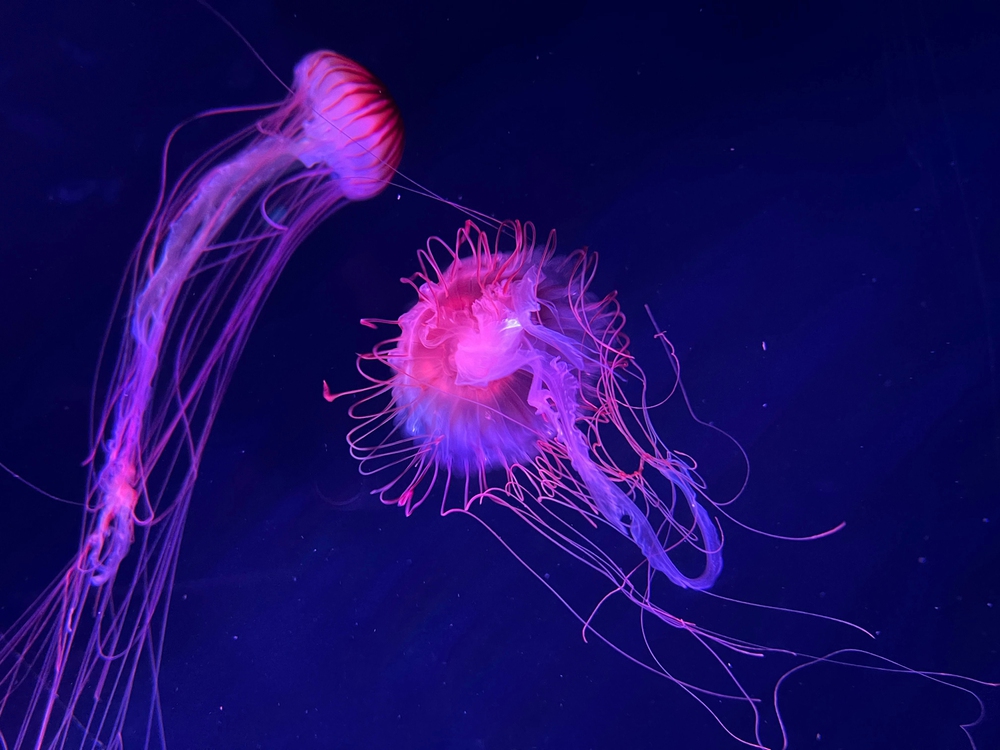
Researchers studying cells and tissues have found evidence of something called “ultraweak photon emission.” In simple terms, living cells can release tiny amounts of visible light as a byproduct of regular biological activity.
This light is incredibly faint. In fact, it’s far weaker than sunlight or even the heat our bodies give off, so you’d never notice it without highly sensitive equipment. Still, it appears to be real, measurable, and tied closely to whether something is alive.
Scientists from the University of Calgary and the National Research Council of Canada recently explored this idea by observing mice and plant leaves under carefully controlled conditions.
What Happens to the Glow When Life Ends?
In the study, researchers placed living mice in a completely dark environment and used specialized cameras capable of detecting single photons. After the animals died, the researchers repeated the imaging. They even kept the temperature constant so that heat wouldn’t affect the results.
The difference was clear. Living mice emitted more photons than they did after death. When life stopped, the faint light dropped off sharply.
The same pattern showed up in plants. Leaves that were injured or stressed glowed more than healthy ones, suggesting that this light may be linked to chemical reactions inside active, living cells.
What Causes This Faint Light in Living Creatures?
Scientists believe the glow comes from stress-related chemical reactions inside cells. When living things deal with heat, injury, toxins, or lack of nutrients, they produce reactive oxygen molecules.
Those molecules can energize electrons in fats and proteins. When the electrons settle back into place, they release tiny packets of light called photons. In other words, the glow is a side effect of cells doing what living cells do: reacting, adapting, and staying alive.
Why Should Scientists Monitor a Living Thing’s Glow?
If scientists can safely measure these faint light signals, they may one day have a non-invasive way to monitor stress, injury, or health in living things. It’s also a reminder that life is more complex and more subtle than we often realize.
Helping People Shine During Life’s Biggest Transitions
The role of a minister is to help people shine even brighter during life’s most important chapters. Whether it’s the joy of a wedding, the hope of a new beginning, or the quiet reflection of a memorial, these milestones are the moments when people feel a human connection most deeply.
The Universal Life Church is built on the belief that everyone should have the support they need to navigate these changes with grace and care. If you feel called to guide others and offer encouragement when they need it most, learn how to become a minister. By stepping into this role, you can help light the way for your community and honor the meaningful glow within every person you serve.