

Bringing two people together from different faith backgrounds can be one of the most rewarding aspects of marriage, but it also comes with its own challenges. At times, couples may feel pressure to convert or to choose one faith over the other. Instead, many couples find a balance by blending traditions from both religions or spiritual practices.
4 Best Ways To Blend Your Faith Traditions
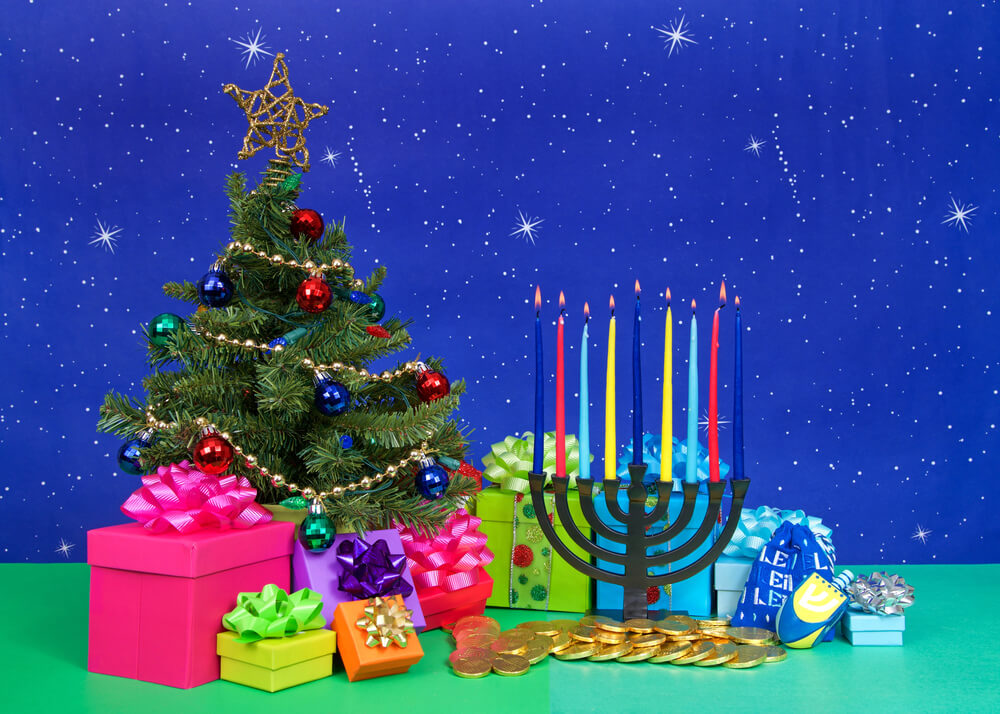
When it comes to merging two different faith traditions, it’s important to approach the situation with flexibility and a willingness to compromise. Here are some strategies for successfully blending your faiths.
1. Choose the Traditions That Matter Most
As a couple, you don’t need to adopt every aspect of each other’s faith. Instead, focus on the traditions and practices that hold the most significance to you both. This might mean celebrating certain holidays together, like Christmas or Hanukkah, or incorporating rituals from both traditions into your daily life.
For example, you might choose to attend religious services with your partner, but also incorporate your own spiritual practices into the home, such as meditative prayer or reading from a sacred text. The goal is to create a blend that feels authentic to both of you, without forcing either person to abandon their faith.
2. Respect Each Other’s Beliefs
The foundation of a successful interfaith marriage is respect. Make an effort to learn about your partner’s faith and appreciate its significance. Even if you don’t share the same beliefs, understanding the meaning behind certain practices can help you support your partner in their spiritual journey.
For instance, one partner might observe dietary restrictions or celebrate religious holidays that the other does not. These differences can be an opportunity to explore new traditions and create unique rituals that incorporate both faiths. The key is to honor and respect the differences without judgment or resentment.
3. Keep the Conversation Going
Blending faith traditions in marriage is a continual process. As you grow together, your spiritual journeys may evolve. Regular, honest conversations are crucial to ensure that both partners feel heard and respected. Discuss how your faith practices impact your daily life and any changes you want to make to better support each other.
Incorporating your spiritual journeys into your marriage can also include finding common ground, like volunteering together or attending interfaith events. This not only helps you honor both traditions but also creates a shared experience that strengthens your bond.
4. Establish a Shared Family Tradition
If you and your partner come from different faiths, you might find that creating your own family traditions can be a powerful way to blend both spiritual worlds. This could mean celebrating a combination of holidays, such as Christmas and Hanukkah, or introducing new rituals that reflect both of your values. For instance, you could incorporate a moment of gratitude before meals, drawing from your shared values of kindness and generosity, even if the religious practices differ.
Create a Harmonious Union in Your Ministry
Blending different faith traditions in an interfaith marriage requires patience, respect, and a willingness to grow together. It deepens the couple’s connection but also creates a unique spiritual partnership. By embracing differences and building new traditions, couples can have a marriage that honors both faiths.
If you’re officiating an interfaith wedding or leading your own spiritual ceremonies, the Universal Life Church offers free online ordination, along with a variety of ministerial supplies to help make your ceremony meaningful. Explore the range of tools and resources available to make your interfaith wedding or special occasion truly one-of-a-kind.