

Gender affirming ceremonies are personal moments that recognize who someone is, acknowledge change, and bring people together in a way that feels right to them.
Key Takeaways
- Gender affirming ceremonies are personal gatherings that recognize a person’s identity, which can include sharing a new name, pronouns, or a transition milestone.
- These events often include symbolic steps like lighting candles, sharing stories, or receiving words of support from a chosen community.
- A ceremony helps turn a private journey into a shared moment of celebration.
For many people, living as their authentic self is a major life moment and one that deserves recognition, support, and celebration. Gender affirming ceremonies exist to honor that moment. They create space to acknowledge identity, mark change, and be witnessed by the people who matter most.
These ceremonies are not religious by default, and there is no single way to hold one. What matters is that the ceremony reflects the individual’s journey and feels true to who they are.
What Is a Gender Affirming Ceremony?
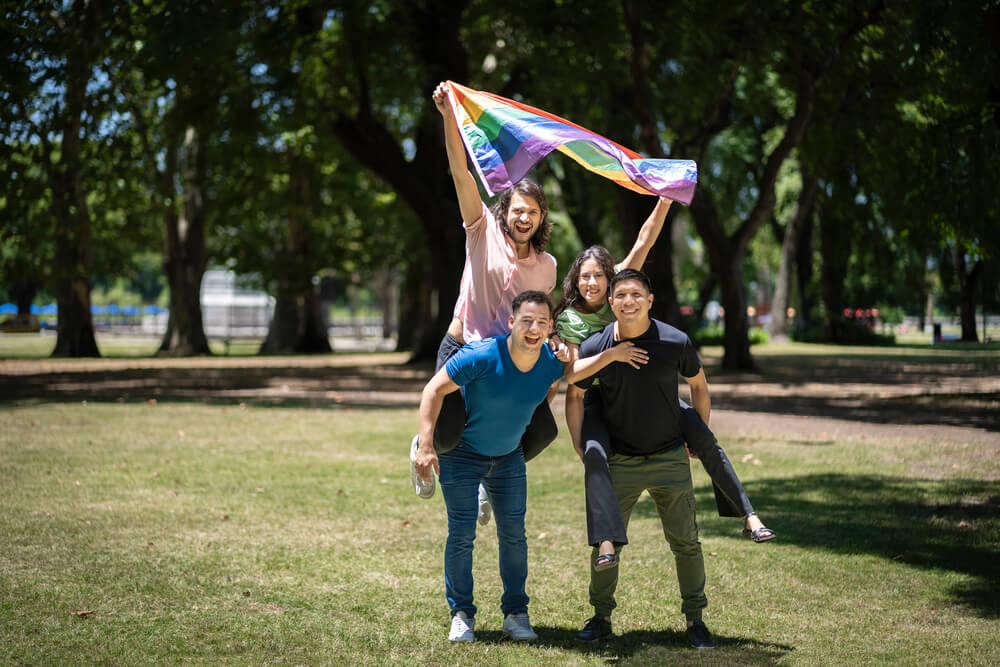
A gender affirming ceremony is a personal, intentional gathering that recognizes someone’s gender identity. It’s sometimes called a “renaming ceremony,” but it can be much broader than a name change.
Some people use these ceremonies to publicly share a chosen name or pronouns. Others use them to mark a milestone in their gender transition, honor personal growth, or simply say, “This is who I am.”
The ceremony can be private or public, quiet or celebratory. There’s no script, no required timeline, and no expectation to explain or justify your identity. The focus is affirmation, not permission.
What Happens During a Gender Affirming Ceremony?
Every gender affirming ceremony looks different, but many include a few common elements:
- Sharing part of the person’s story, if they choose
- A name or pronoun acknowledgment
- Symbolic actions, such as lighting a candle, signing a keepsake, or releasing something that no longer fits
- Words of affirmation from friends, family, or chosen community
- Intentions or hopes for the future
An officiant or celebrant leads some gender affirming ceremonies, while the individual themselves guide others. What matters is that the moment feels intentional and respectful.
Why Do People Choose Gender Affirming Ceremonies?
Gender affirming ceremonies exist because identity changes are real, meaningful life events, even when society doesn’t always treat them that way. People often choose gender affirming ceremonies to:
- Create a clear, positive moment around identity
- Feel seen and supported by their community
- Replace silence or confusion with clarity and celebration
- Mark a transition that doesn’t have many built-in rituals
Rituals help people process change. They give shape to emotions that might otherwise stay internal. For many, being witnessed is just as important as the ceremony itself.
Are Gender Affirming Ceremonies Only for Trans or Nonbinary People?
While gender affirming ceremonies are especially meaningful for transgender, nonbinary, and gender-diverse people, they aren’t limited to any one group. Some cisgender people also use gender-focused rituals to reflect on identity, challenge expectations, or claim how gender shows up in their lives. The purpose isn’t to label someone but to engage thoughtfully with who you are.
What Role Does an Officiant Play in a Gender Affirming Ceremony?
An officiant or celebrant helps turn a personal moment into something that can be shared with others. Their job isn’t to label or explain someone’s identity but to support it. That means:
- Using the name and language the person asks for
- Respecting what they do and don’t want to share
- Helping shape a ceremony that feels true to them
- Making sure the space feels welcoming and respectful
The best gender affirming ceremonies are collaborative, not performative.
Officiating Gender Affirming Ceremonies That Honor Identity
Universal Life Church supports ceremonies that honor who people are. Gender affirming ceremonies work best when the focus is on listening, using respectful language, and letting the person lead the moment.
If you want to support people as they recognize important changes in their lives, get ordained and serve as a minister who helps mark milestones in a way that feels honest and affirming.