

Holi is a spring festival celebrated with color, community, and renewal, shaped by seasonal traditions and Hindu stories about love and the triumph of good over evil.
Key Takeaways
- Holi marks the end of winter and the start of a new season. People celebrate by throwing bright powders and colored water to represent the warmth, growth, and vibrant life returning to the earth.
- The festival of Holi begins with bonfires the night before to represent burning away the bad.
- Holi is a time to reset. It encourages people to forgive old debts, end conflicts, and start fresh with their friends and community.
India has a spring celebration that’s hard to miss: bright colors in the air, laughter in the streets, and people greeting each other with joy. That festival is Holi, which is often called the Festival of Colors. Even if you’ve only seen it in photos, it’s easy to understand why it captures attention.
Holi is widely celebrated by Hindus and has also spread around the world through diaspora communities. It’s both a cultural celebration and, for many, a religious tradition tied to stories, seasons, and community.
What Is Holi?
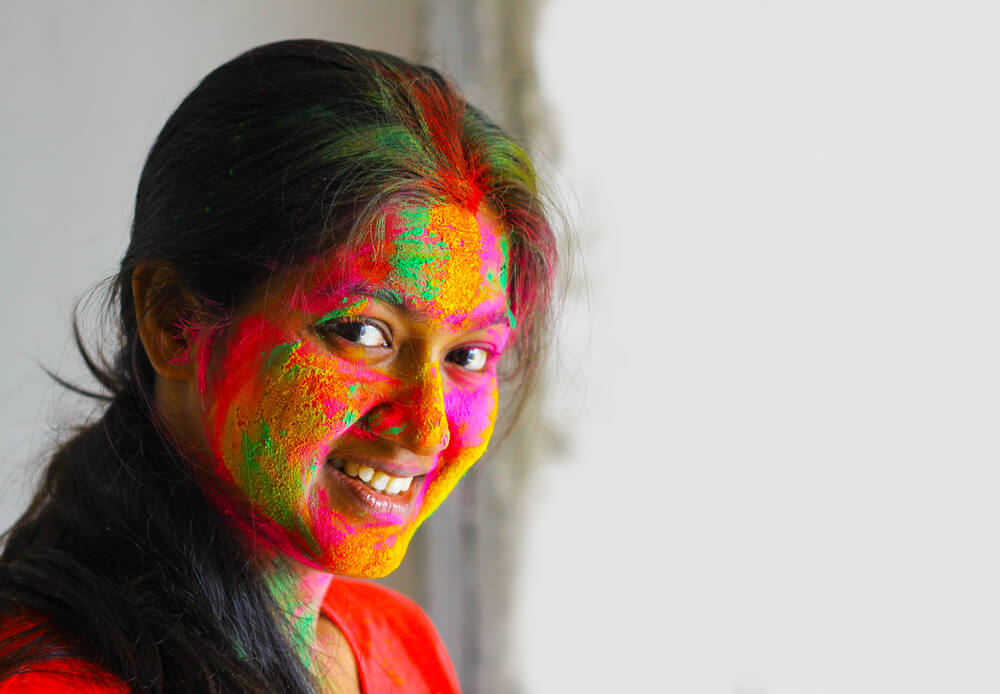
Holi is a major Hindu festival celebrated at the end of winter and the start of spring. It usually falls around late February or March, depending on the lunar calendar.
Many people know Holi for its main daytime celebration, when participants play with colored powder and colored water. You’ll see friends, families, and sometimes total strangers laughing, dancing, and covering each other in color as a playful way to mark the new season.
Holi is often described as a festival of colors, love, and spring, but it also has deeper meanings tied to renewal, forgiveness, and togetherness.
Why Do People Celebrate Holi?
Holi is celebrated for a few reasons, and different communities may emphasize different ones. One meaning is seasonal: It celebrates the arrival of spring and the shift from cold weather into warmth and growth. In many places, it’s also linked to agriculture and the hope of a good harvest season.
Holi is also seen as a time to “reset” relationships—letting go of old conflicts, reconnecting, and starting fresh. The playful use of color becomes a symbol of letting the past fade and welcoming something new.
There are also traditional stories behind Holi. In some regions, Holi celebrations are connected to the divine love story of Radha and Krishna, which is one reason Holi is sometimes described as a festival of love.
What Happens During Holi?
Many Holi celebrations happen in two main parts: the night before and the main day.
The Night Before: Holika Dahan
On the evening before Holi, some communities light bonfires in a ritual called Holika Dahan. It marks the victory of good over evil, based on a story in which a king named Hiranyakashipu demands worship, but his son Prahlada remains devoted to Vishnu.
When the king tries to have Prahlada killed in a fire, Prahlada survives, and Vishnu appears as Narasimha to defeat the king. The bonfire symbolizes the burning away of evil before Holi’s celebration of renewal and new beginnings.
The Main Day: Colors And Community
The next day is the famous color celebration, where people throw powdered color (often called “gulal”) and spray colored water. In many homes, visitors are welcomed with color first, then offered sweets and special foods. After the celebrations, people often bathe, change into clean clothes, and visit friends and family.
Become an Ordained Minister With Cultural Awareness
Universal Life Church supports ceremonies that respect culture and personal meaning across many traditions. Whether a couple references Holi through color and themes of renewal, or draws from other cultural customs tied to family or heritage, an officiant’s role is to honor those traditions thoughtfully and accurately.
Helping people mark life’s milestones means listening, learning, and staying true to what those traditions represent. If you want to serve others with care and cultural awareness, get ordained as a minister and support ceremonies that reflect real lives and real traditions.