

You can discover your spirituality without religion by building personal practices, serving others, and defining meaning on your own terms.
Key Takeaways
- Being spiritual does not require membership in a religious institution; it begins with personal reflection and honest self-discovery.
- Mindfulness, service to others, and intentional daily habits can help you grow spiritually.
- You can live out your spirituality in community by supporting others and even officiating life’s important moments.
You don’t have to belong to a church, synagogue, mosque, or temple to explore your spirituality. For many people, spirituality is less about rules and more about meaning. It’s about asking big questions, building inner peace, and living in a way that feels true to who you are.
What Is Spirituality?
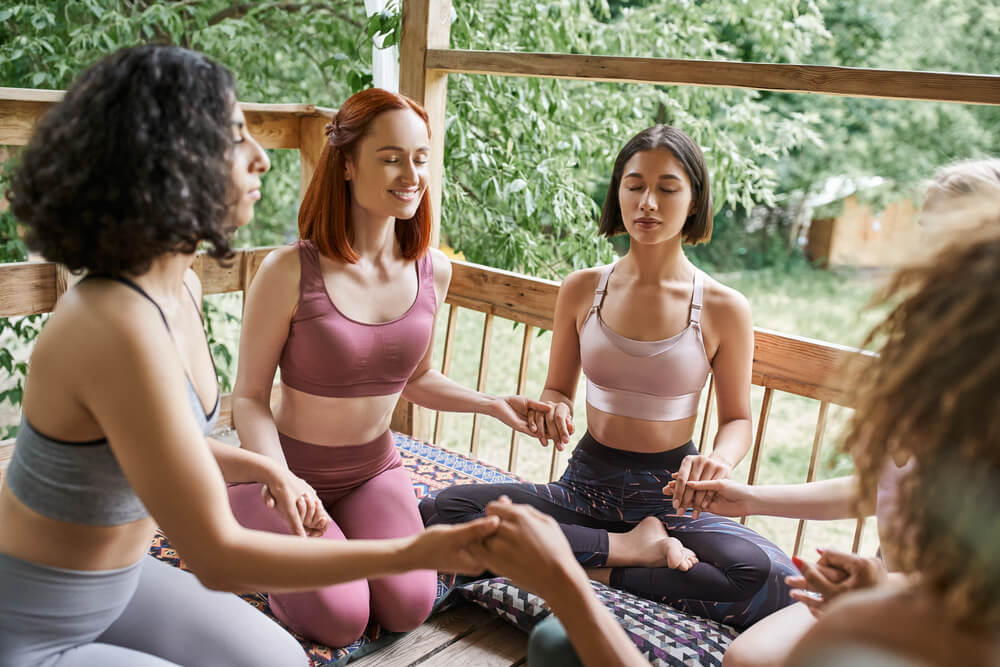
Spirituality looks different for everyone. For some, it’s a belief in a higher power. For others, it’s a deep sense of connection to nature, humanity, or the universe.
Start by asking yourself simple questions:
- What gives your life meaning?
- When do you feel most at peace?
- What experiences have made you feel connected to something bigger than yourself?
You don’t need formal training to reflect on these ideas. Journaling, quiet thinking time, or long walks can help you sort through your thoughts. The goal isn’t to find a “right” answer. It’s to discover what feels honest to you.
How Can You Become Spiritual Without Going to Church?
If you’ve ever felt spiritual but not religious, you’re not alone. Here are practical ways you can discover your spirituality on your own terms.
1. Practice Mindfulness and Reflection
Mindfulness is one of the easiest ways to explore spirituality without religion. It simply means paying attention to the present moment. You can practice mindfulness through:
- Meditation
- Deep breathing exercises
- Prayer (even if it’s informal)
- Time in nature
You might sit quietly for five minutes and focus on your breath. You could hike in the woods and notice the sounds around you. These small habits build awareness. Over time, they help you feel grounded and connected.
Many spiritual leaders agree that reflection builds clarity. When you slow down, you give yourself space to hear your own inner voice.
2. Serve Others
Helping others often brings a strong sense of purpose. Volunteering, supporting a friend, or organizing a community event can deepen your spiritual life. Service reminds you that you’re part of something larger than yourself.
You don’t need a religious title to offer comfort or guidance. You can show up for people during weddings, funerals, or other life events simply because you care. Acts of kindness and leadership can become powerful spiritual expressions. When you focus on compassion and empathy, you build a spirituality rooted in action.
3. Find Your Own Path
You have the freedom to design a path that fits your beliefs. That might include reading spiritual texts from different traditions, studying philosophy, or listening to podcasts about personal growth.
You can blend practices that resonate with you. Maybe you enjoy yoga and journaling. Maybe you connect with music or creative arts. Spirituality doesn’t have to follow a strict structure.
What matters most is integrity. Stay curious. Ask questions. Adjust your beliefs as you grow. A healthy spiritual path allows space for change.
Spirituality Without Religion Still Builds Community
Universal Life Church supports people who explore spirituality outside traditional religious structures. Many individuals want to mark life’s biggest moments—weddings, memorials, celebrations of commitment—in ways that reflect their personal beliefs rather than formal doctrine.
ULC ministers often serve friends, family members, and local communities who value authenticity over tradition. They listen first. They respect individual paths. And they help create ceremonies that feel meaningful without requiring a specific religious label.
If you feel called to live out your spirituality by supporting others during important milestones, get ordained and serve your community in a way that reflects who you truly are.